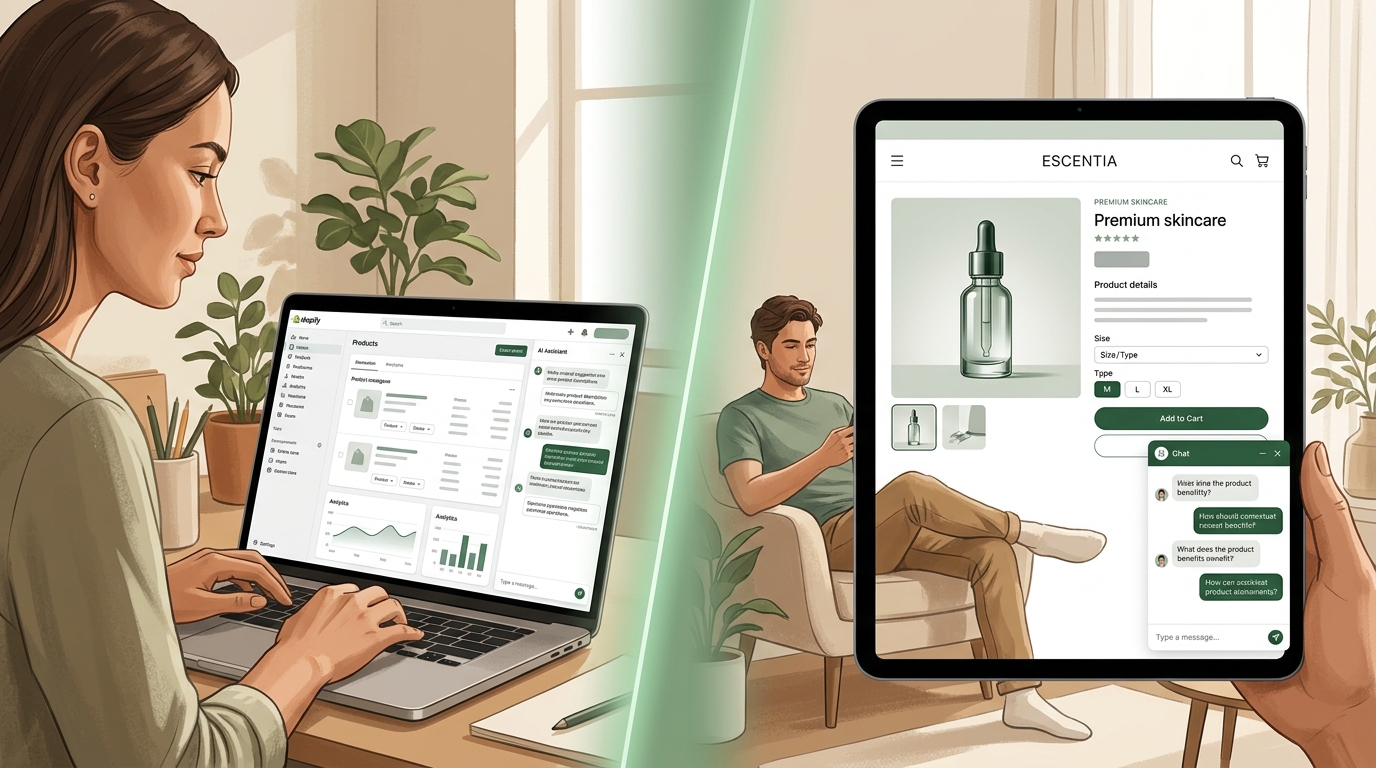
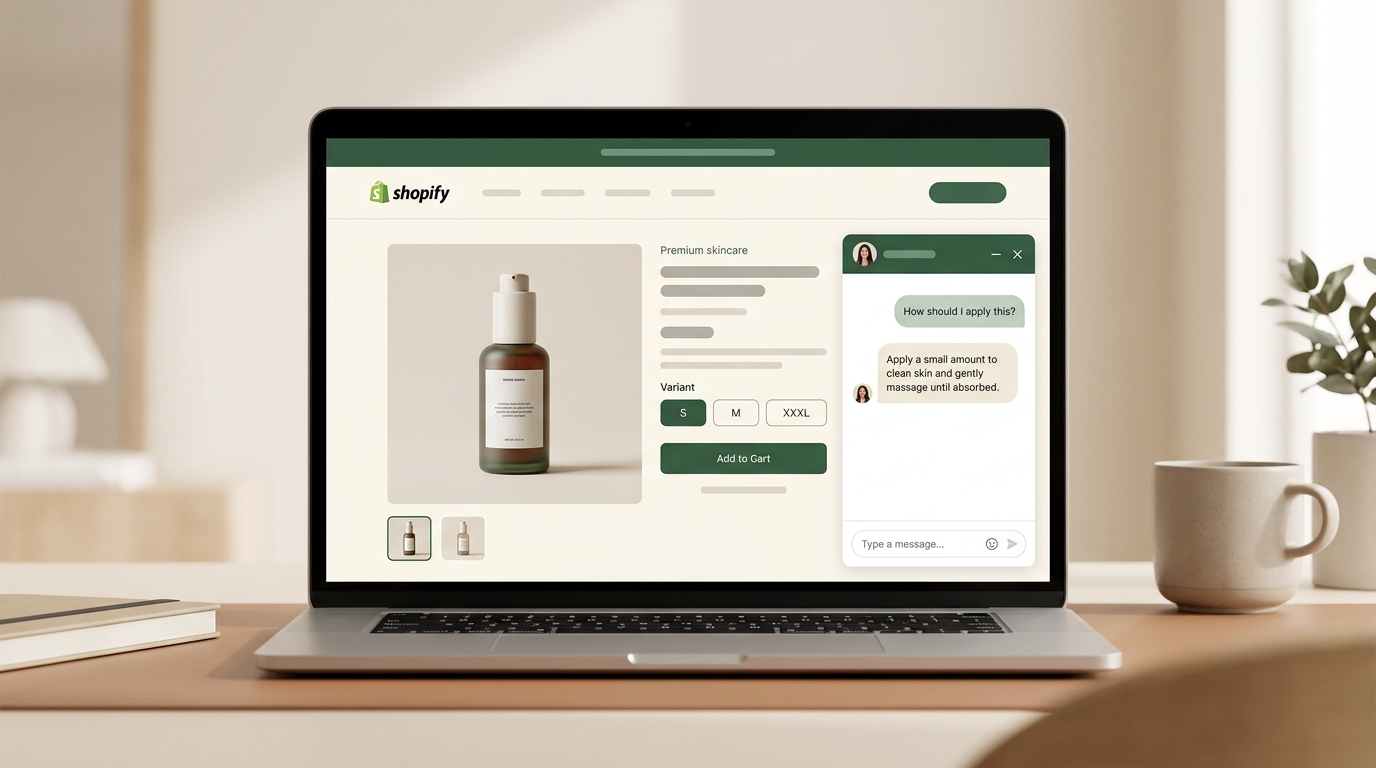
Quick take: Luonkos shows why premium skincare brands need more than a generic chatbot. When customers ask nuanced product questions and the brand is expanding internationally, the winning setup preserves guidance quality while extending coverage beyond office hours.
Skincare is a difficult category for ecommerce because the shopper is rarely buying a generic object. They are buying a fit: for their skin type, routine, sensitivities, goals, and preferences. That means the pre-purchase conversation is often where the sale is won.
Luonkos, a premium Finnish natural cosmetics brand, describes exactly that challenge in its testimonial about working with Dori.
"Luonkos is a Finnish premium natural cosmetics brand with a beautifully crafted product line that caters to all skin types and a range of unique skincare needs... With their rapid international expansion, they faced the challenge of scaling their customer service across multiple time zones without sacrificing the quality that sets them apart... Remarkably, users could not tell the difference!"
The challenge: high-touch support does not scale by itself
Luonkos already had something many merchants want: real expertise and thoughtful customer support. The problem was not quality. The problem was coverage.
As brands grow internationally, the support burden changes shape. Questions arrive around the clock. Product guidance becomes harder because new shoppers do not know the catalog yet. And every delayed response creates the risk that a customer buys something else, or buys nothing at all.
For a skincare brand, those risks are even higher because many questions are specific:
- Is this product right for sensitive skin?
- What should I use first in my routine?
- Which cleanser fits dry skin better?
- Can I pair this with another product I already use?
Those are buying questions, not just support tickets. If they go unanswered, the sale often disappears.
Why Dori was a fit for this kind of brand
| Need | Why it matters in premium skincare |
|---|---|
| Guided, not generic | Generic recommendations damage trust quickly in a category where brand expertise is the product |
| Off-hours coverage | International expansion means a brand can no longer rely on local business hours to convert visitors |
| Brand-quality interaction | The answer has to feel useful, on-brand, and reassuring — not just fast |
| Product nuance | Ingredient sensitivity, routine compatibility, and skin-type fit are non-negotiable correctness |
What other skincare brands can take from this
Do not separate support from conversion
Many of the questions that look like support are actually pre-purchase objections. Ingredient clarity, routine order, compatibility, and product selection all sit close to the buying decision.
Build around real questions, not marketing slogans
The strongest AI setups are grounded in product truths: what the item is for, who it fits, how it differs from alternatives, and where it should or should not be used.
Protect brand voice with better inputs, not weaker ambitions
Some brands avoid AI because they worry it will sound robotic or off-brand. The better answer is not to avoid the category entirely. It is to choose a system that is better grounded and easier to tune.
What makes this case study credible
This writeup does not invent outcome numbers that were not publicly shared. Instead, it uses what Luonkos actually emphasized: product nuance, international scaling, and the quality of the resulting customer experience.
That is enough to make the case meaningful. When a premium brand says the team met high standards and raised the bar, that is not a throwaway compliment. It is a signal that the rollout had to satisfy real expectations.
A practical framework for similar brands
If your store has similar needs, use this checklist when evaluating any AI shopping assistant:
- Can it answer product-specific questions in plain language?
- Can it guide shoppers between multiple suitable products without sounding generic?
- Can it support international visitors and off-hours traffic?
- Can your team review conversations and improve the system over time?
- Does the vendor help you maintain brand quality instead of forcing you into canned responses?
Frequently asked questions
Will an AI assistant feel "off-brand" for a premium skincare line?
It depends on the inputs. AI inherits the language of the source material. Brands with crisp product copy, clear positioning, and well-articulated routines usually sound like themselves. Brands with thin product copy get thin AI answers.
What if the assistant gives a wrong recommendation in a sensitive category?
That is why grounding and review matter. Strong setups cite catalog data rather than guessing, escalate ambiguous cases to humans, and let merchants review transcripts to tighten the failure modes that surface.
Is this only relevant for skincare?
No. The same dynamics apply to supplements, hair care, fragrance, premium food, and any category where shoppers ask "is this right for me?" before buying.
For a broader merchant-facing guide, read our 2026 Shopify AI shopping assistant comparison. For the merchant-vs-shopper distinction, see Sidekick vs AI shopping assistants. If your category depends on guided discovery, you may also like our guide to building an effective AI chatbot for ecommerce.
View Dori on Shopify if you want to evaluate shopper assistance for skincare, wellness, and other high-consideration categories.