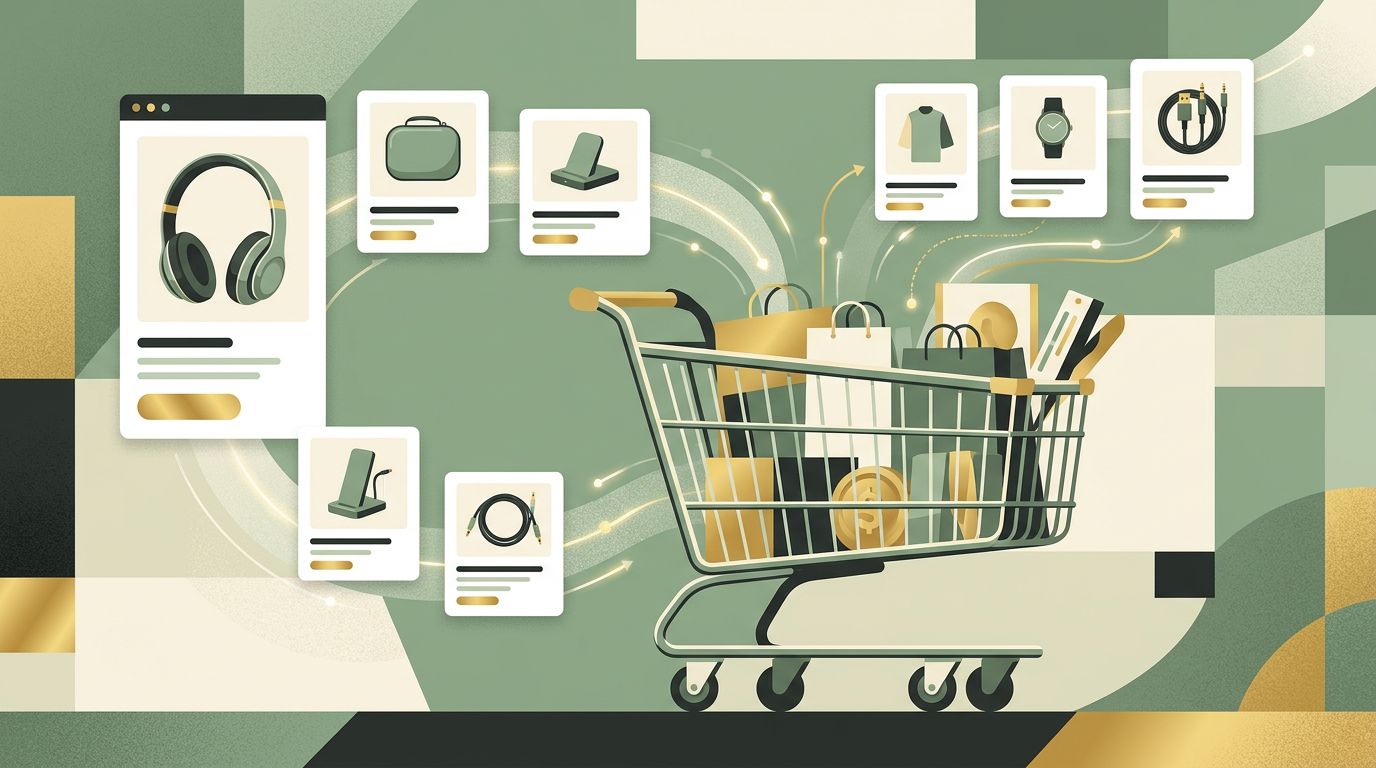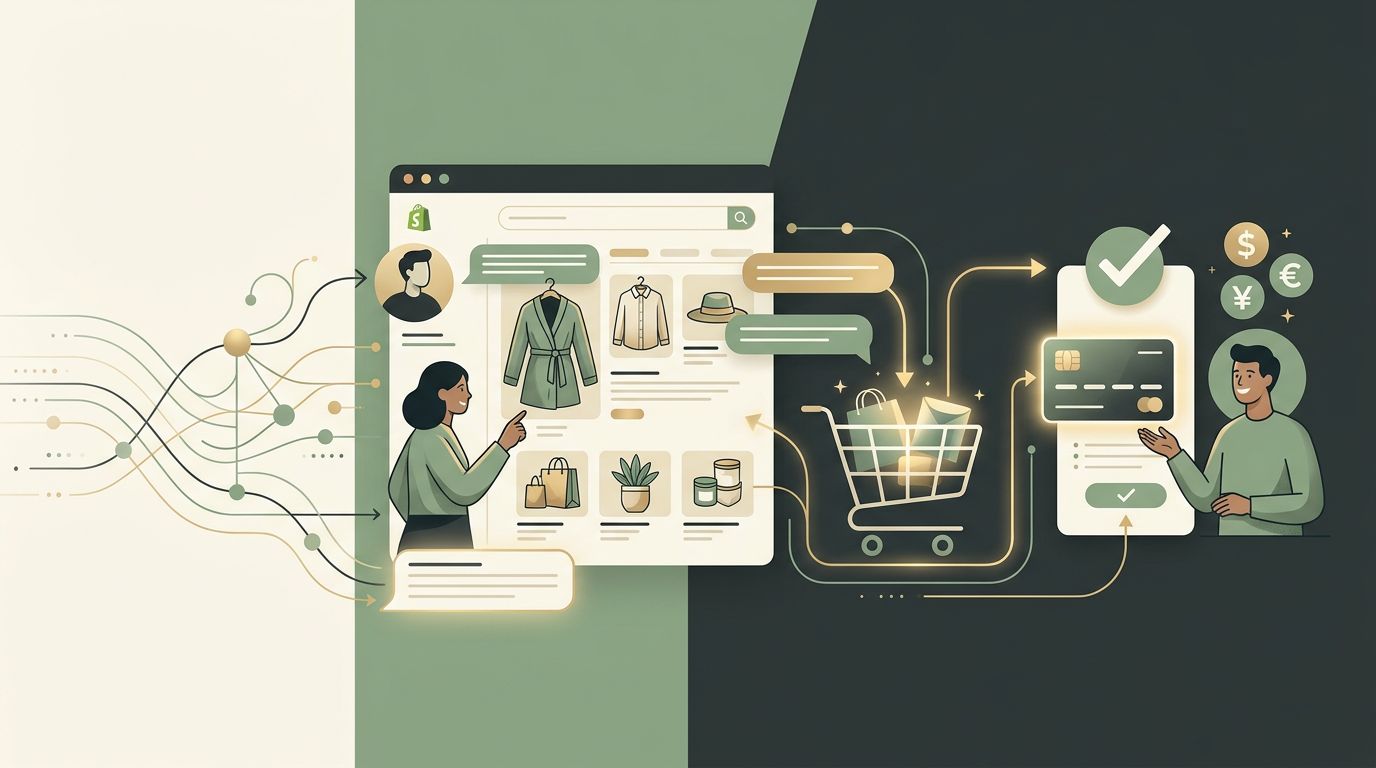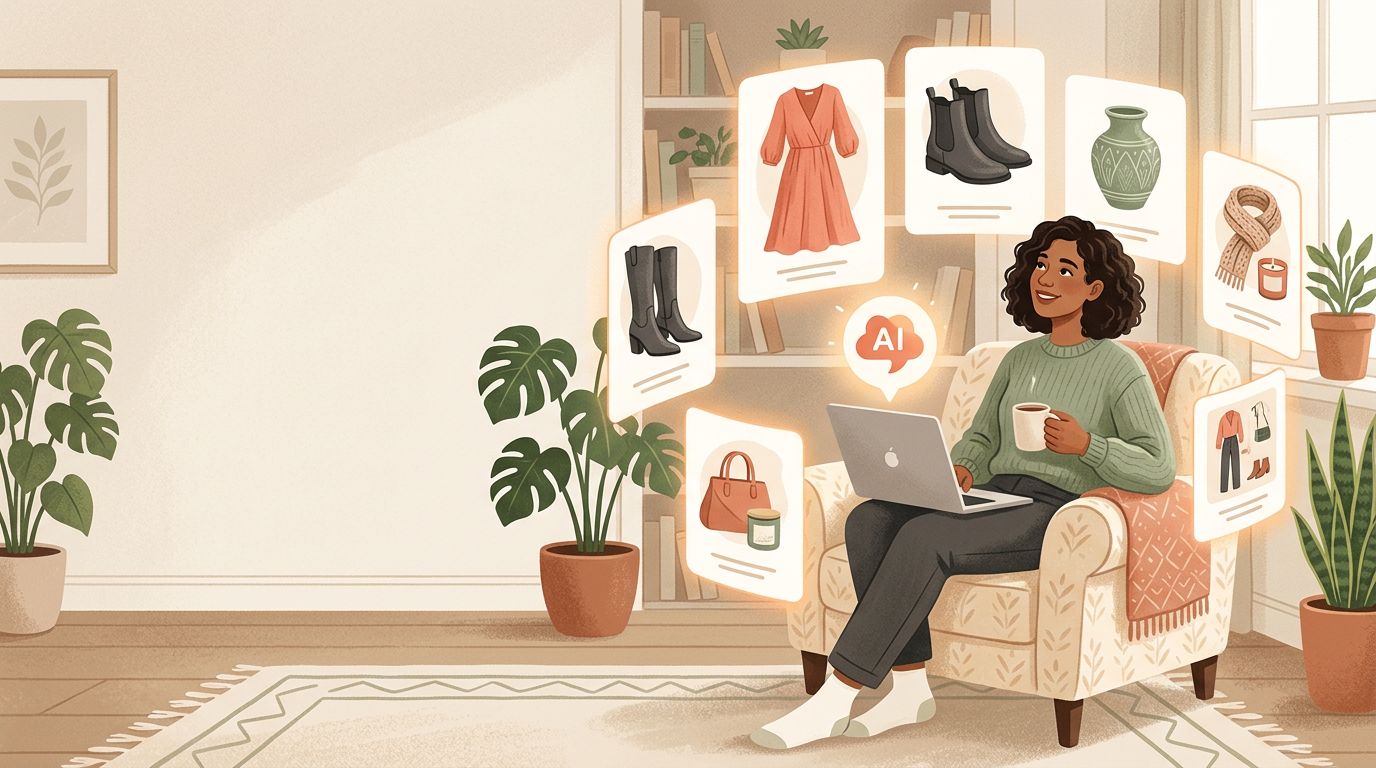
Quick take: Personal shopping online does not come from using a customer's first name in an email. It comes from helping them make the right decision faster. The best AI shopping experiences recreate the feeling of a knowledgeable store associate: context, guidance, and confidence.
People often say ecommerce feels impersonal because it lacks the warmth of an in-store visit. That is true, but it is only part of the story. The deeper issue is that online stores often make shoppers do all the thinking alone.
In a physical store, a good associate asks one or two questions, narrows the options, explains the differences, and gives the shopper confidence. In many Shopify stores, the shopper gets a collection grid, a search bar, and a hope that the FAQ page will save them.
What personalization actually means
Real personalization is not primarily about segmenting an audience. It is about reducing decision friction for an individual shopper in the moment.
| What looks like personalization | What actually moves the sale |
|---|---|
| "Hi {first_name}" in an email | Helping the shopper choose between two products that look similar |
| "Recommended for you" carousel based on browse history | Recommending a routine or bundle based on a stated need |
| A pop-up offering 10% off | Explaining why a product is or is not a good fit |
| A geolocation-based banner | Adapting the conversation to the shopper's language and confidence level |
When stores get this right, the shopping experience starts to feel personal again even if no human is typing in real time.
Why many storefronts still feel generic
Most Shopify stores are built around pages, not conversations. That works when shoppers already know what they want. It fails when they are uncertain.
Generic experiences tend to produce the same symptoms:
- visitors bounce between collection pages without clarity
- product pages answer features but not fit
- search works for exact keywords but not for natural needs
- support and sales content live in separate worlds
The result is not just a colder brand. It is a weaker conversion path.
How AI can make shopping feel guided again
Product-page context
When an assistant knows which product the customer is looking at, it can answer more directly. That makes the conversation feel less like a support form and more like help.
Natural-language discovery
Shoppers often describe problems, not products. They say, "I need something for irritated skin," or "I want a gift under $50 for someone who travels a lot." AI can translate those needs into relevant products more effectively than rigid keyword search alone.
Comparison and reassurance
Personal shopping is often about narrowing choices. If a store can explain differences, tradeoffs, and fit in a clean way, the experience feels far more tailored.
Multilingual confidence
Personalization also breaks when language becomes a barrier. For many global stores, a shopper receiving clear answers in their own language is one of the fastest ways to make the experience feel considerate instead of transactional.
What makes personalization trustworthy
Not every AI-powered experience feels good. To make it feel personal instead of creepy or generic, focus on three things:
| Pillar | What good looks like | What bad looks like |
|---|---|---|
| Usefulness | Answers a real question the shopper is asking | Generic suggestions disconnected from the moment |
| Accuracy | Recommendations match the actual catalog and policies | Hallucinated features or out-of-stock products |
| Tone | Confident and clear, neither robotic nor overly cute | Try-hard friendliness or cold form-language |
Personalization is not about imitating a person perfectly. It is about making the shopper feel understood.
Where merchants should start
If you want to make the store feel more personal, do not begin with broad personalization software. Start by looking at your highest-friction questions.
Ask:
- Which questions appear most often before purchase?
- Which categories need guidance, not just filtering?
- Which products trigger the most comparison behavior?
- Which international markets struggle most with self-serve discovery?
Those answers will tell you where a shopping assistant can create the most value.
Signals that the experience is improving
You should feel the impact in both qualitative and quantitative ways:
- shoppers ask fewer repetitive clarification questions
- more conversations lead to product clicks and add-to-cart actions
- category pages become less of a dead end
- support teams spend less time answering the same pre-purchase questions
When that happens, the store begins to feel more human — not because it copied a human face, but because it became easier to shop.
Frequently asked questions
Is "personalization" the same as showing recommended products?
No. Carousel recommendations are one tactic. Real personalization is reducing decision friction for the individual shopper in the moment they are deciding.
Does this only matter for premium or high-touch brands?
It matters most for high-consideration categories — skincare, supplements, electronics, fashion, gifting — but the principle applies anywhere shoppers describe needs instead of typing SKU names.
Will personalization work without good catalog data?
Less well. AI personalization is downstream of catalog quality. Clear titles, descriptions covering top buying questions, and tags that match shopper language all amplify the result.
If you want to see how this plays out in practice, read the Luonkos case study. For the broader tooling view, start with our 2026 buyer's guide, the product page chatbot guide, or our Sidekick vs AI shopping assistants explainer.
Explore Dori if you want to turn product discovery and pre-purchase guidance into a more personal storefront experience.